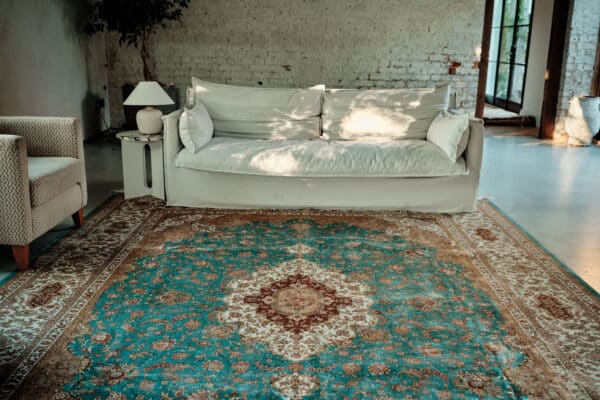
Whether it's your home, business, or a cherished space, a handwoven rug, carpet, or runner from London Persian Rug Company makes the perfect centrepiece.
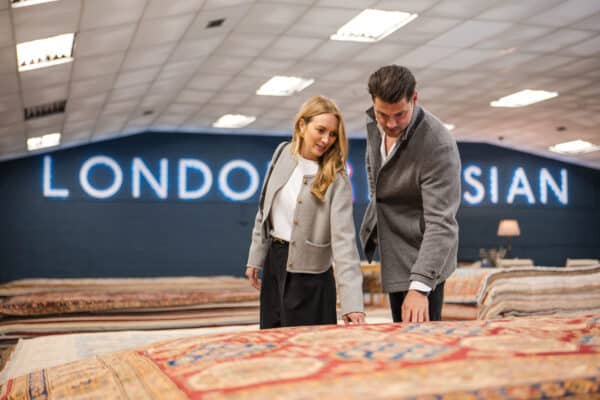
When you visit our central London showroom, you become part of a quintessential British family legacy. From the moment you walk through our doors, you’ll be welcomed with expert care. We ensure your chosen rug is perfectly placed in your space; and our repair, cleaning, and maintenance specialists will keep it looking its best, allowing you to enjoy your rug as a defining centerpiece of your life.
Owning a unique, London Persian Rug Company floor covering is more than just a purchase - it’s an investment in heritage and luxury.
Client Favourites
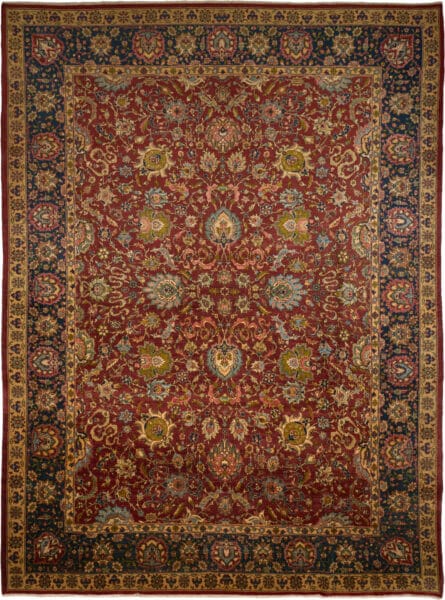
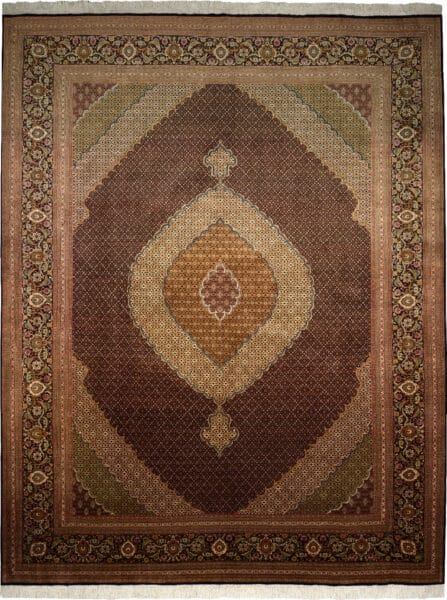
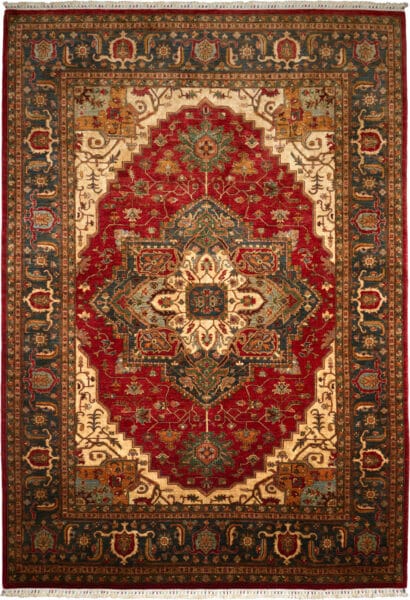
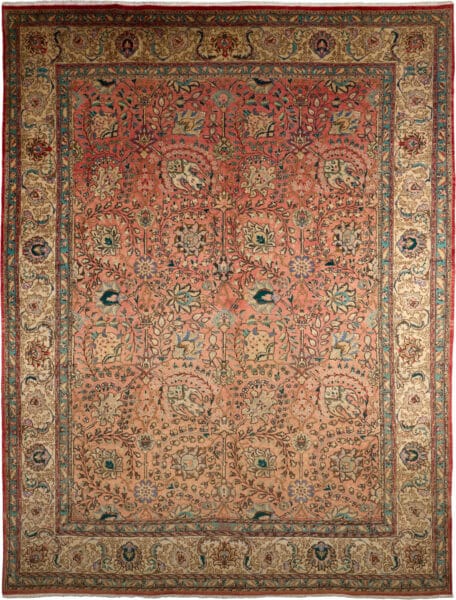
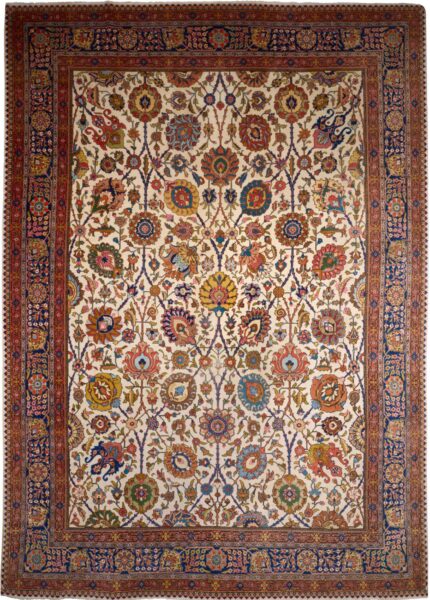
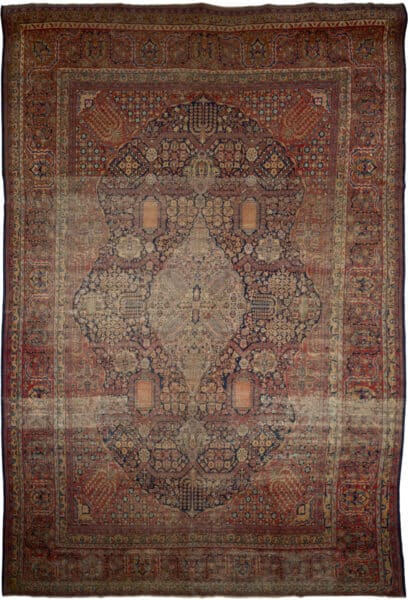
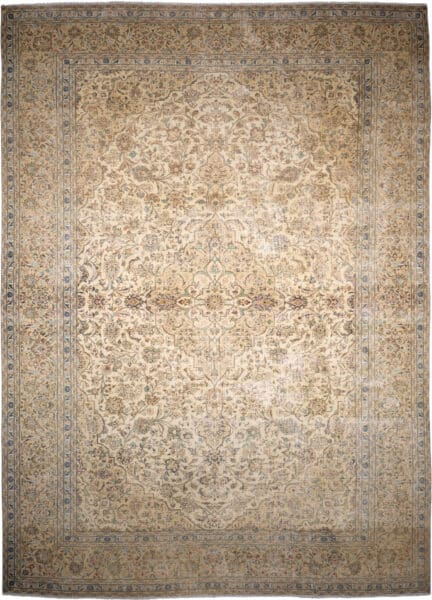
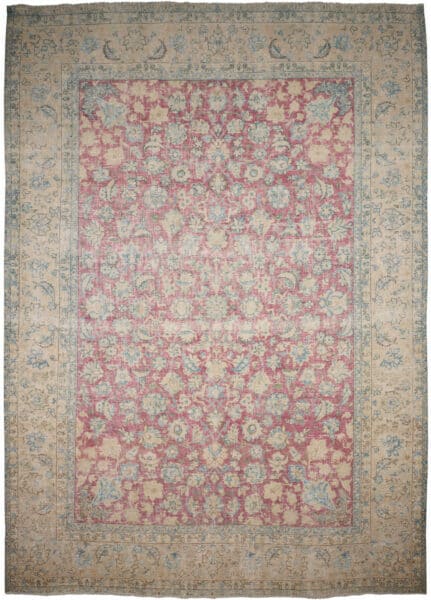
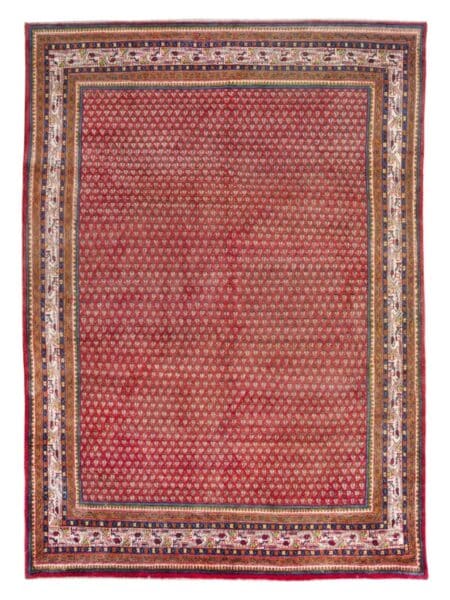
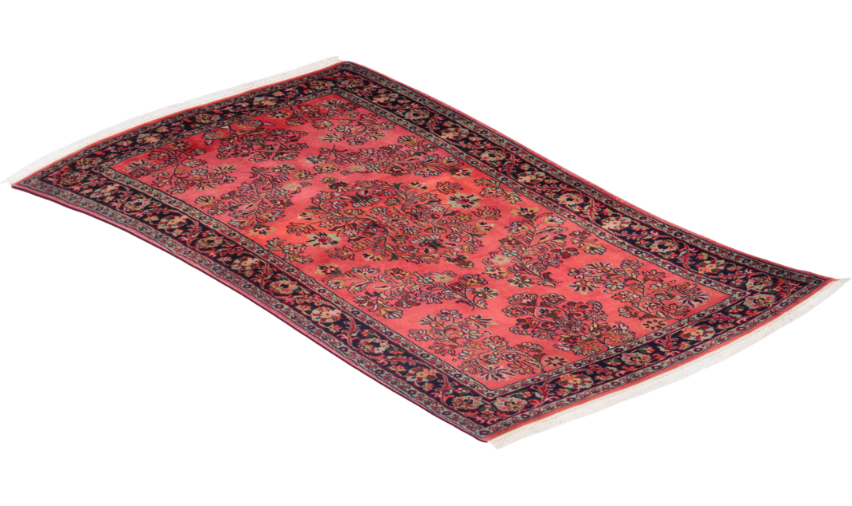
We have over 4,000 unique rugs, carpets and runners in our collection, and we have detailed a very brief overview below of some of our client favourites that form part of our extensive range.
“I would highly recommend The London Persian Rug Co. for their superb service and expertise. A very satisfied and delighted customer."
Lady A. Sainsbury London
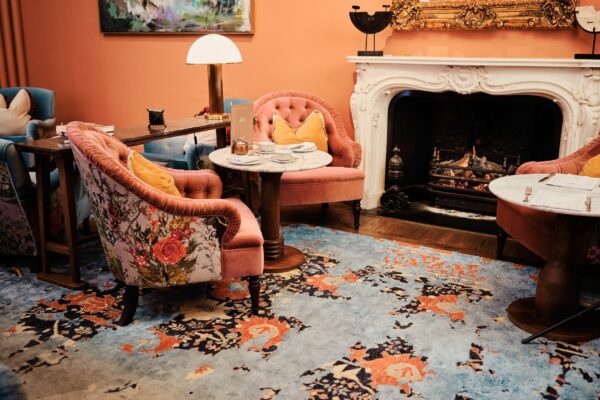
“I would definitely recommend London Persian Rug Co. They were very professional and more than patient in finding the right fit for us here at the Ned”
Alexia Normand Principal Designer
“I’ve used The London Persian Rug Co. for several projects now... there’s an enormous choice and the service is second to none. They never let us down.”
Robert Rosser Head Interior Designer
The Anatomy of a Rug
Persian rugs are renowned for their intricate designs and craftsmanship, and are a quintessential representation of historic culture and artistry. The Anatomy of a Rug encompasses several key components that contribute to its unique beauty and durability.
Explore each layer of a traditional Persian Rug
We Specialise in Rugs of all Sizes
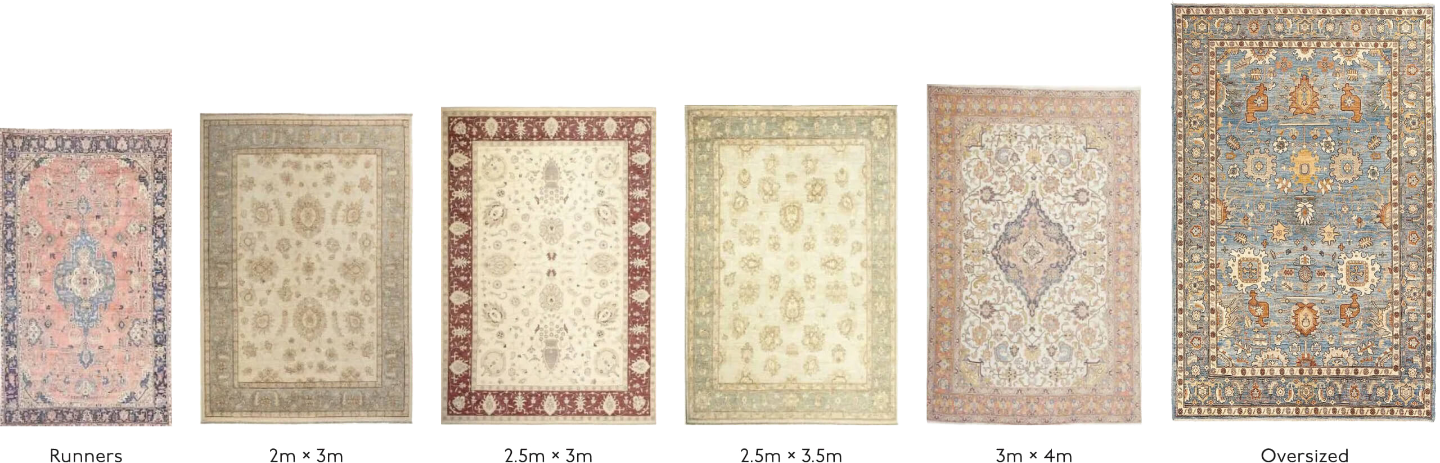
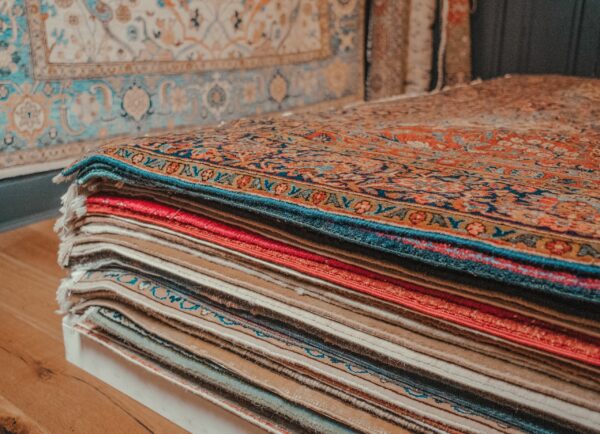
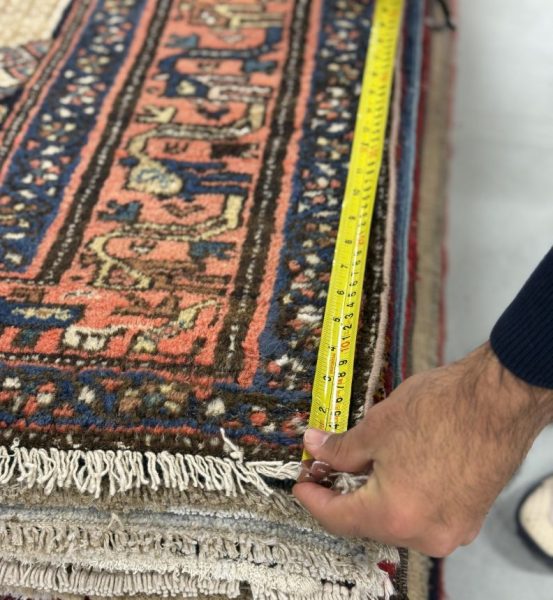
We specialise in carpets ranging from small rugs & runners up to large oversized carpets with resizing service to match your needs.
As our stock are all one of a kind handmade rugs, sizes may vary slightly. Sizing typically falls within above following ranges.
Our Services
Free Home Trial
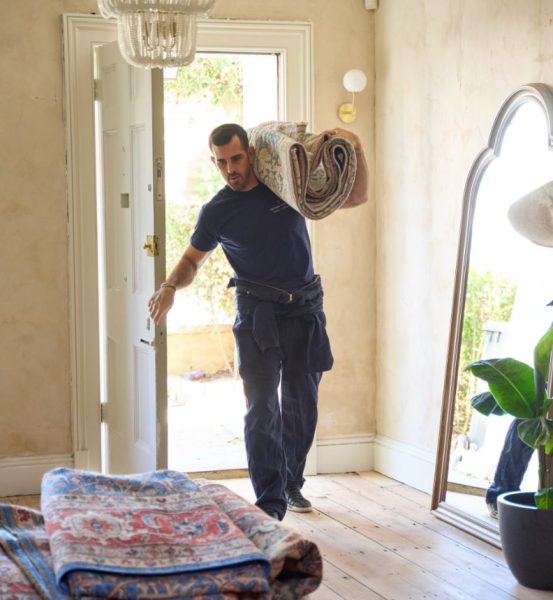
We bring your favourite carpets, rugs and runners directly to your home free of charge and without obligation, so you can see exactly how they look.
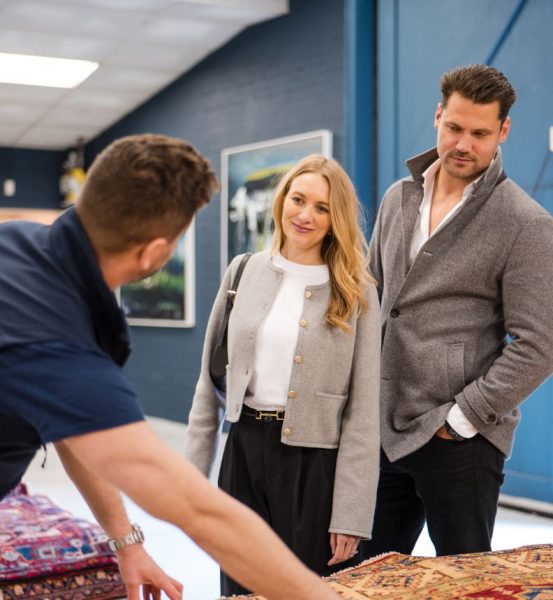
Our highly experienced, dedicated in-house Style Advisor is on hand to guide you through the selection process for no fee, and with no pressure or purchase obligation.
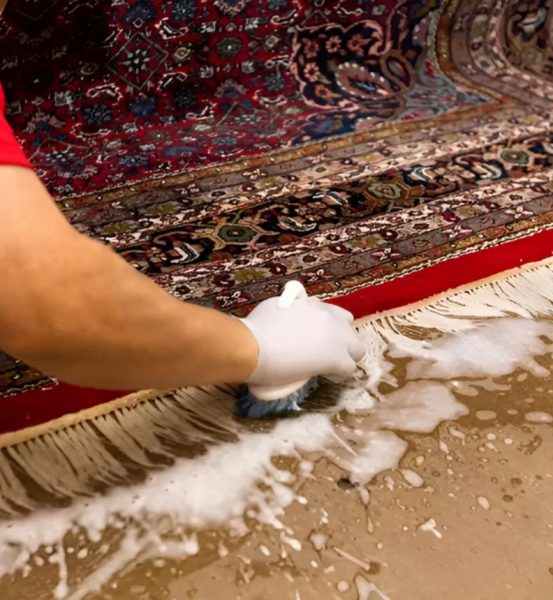
We use traditional hand cleaning methods with organic, soft shampoos that protect and maintain the natural oils in the woven wool and silk throughout the washing process.
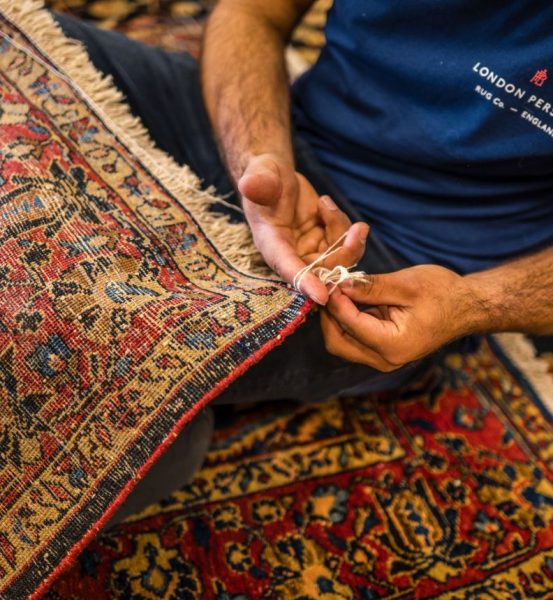
Specialist rug repair is essential to preserving your rug's intricate designs and ensuring it's longevity. Whether it’s a minor fray or significant damage, our expert repair services can restore these beautiful pieces to their original glory.
Explore our latest Style Journals filled with design trends, care tips and informative history to help you choose the perfect Persian or Oriental rug, carpet or runner for your home or business.
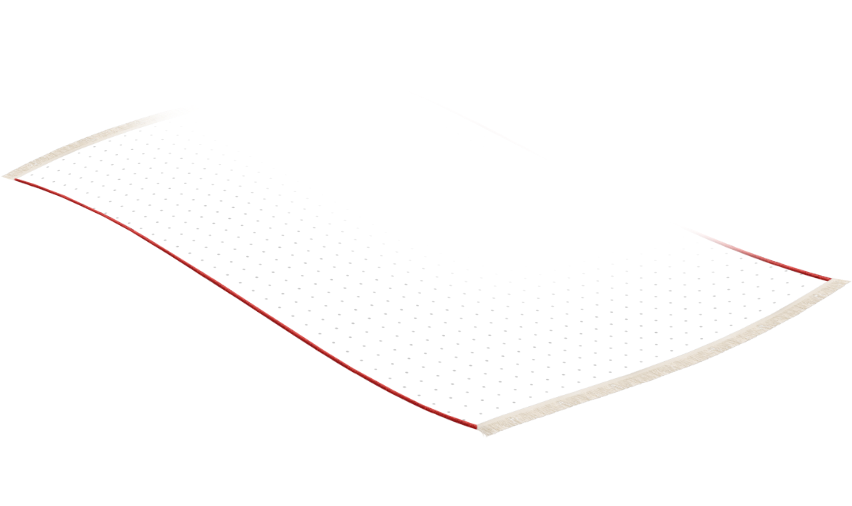
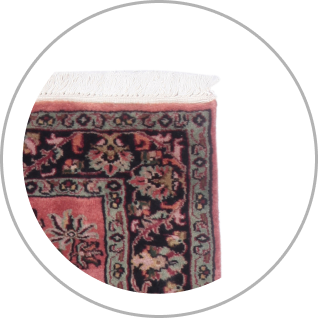
The fringes are the visible ends of the warp threads that extend beyond the rug’s edges. They are often knotted or braided to prevent the rug from unraveling. Fringes are not merely decorative but serve a crucial role in maintaining the rug’s structural integrity. The style and length of the fringe can vary depending on the region and the specific rug style.
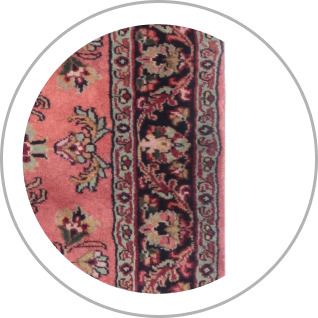
The cording, or sides of the rug, is the finished edge that runs along the length of the rug, preventing it from fraying. The cording is created by wrapping the weft threads around the outermost warp threads, and it is often reinforced with additional stitching or binding. This part of the rug is crucial for its durability, as it protects the edges from wear and tear.
Pile
The pile is the visible surface of the rug, made up of the cut ends of the knotted yarns. The pile can be made from wool, silk, or a combination of both, and its height varies depending on the rug’s intended use and design. A high pile gives the rug a plush, luxurious feel, while a low pile creates a more durable and flat surface. The colors and patterns of the pile are carefully chosen and meticulously planned, reflecting the artistic traditions of the region where the rug was made.
Warp & Weft
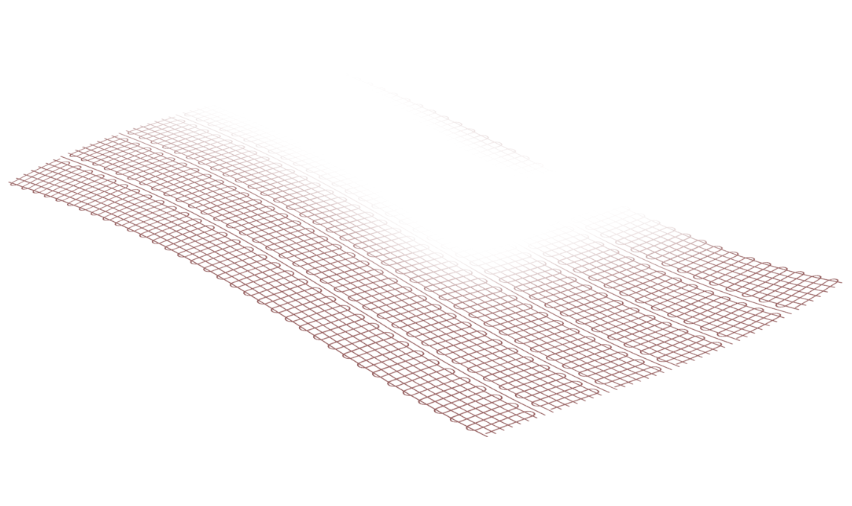
The warp forms the foundational structure of the rug. These are vertical threads that run through the entire length of the rug, and they are typically made from cotton, wool, or silk. The warp threads are stretched tightly on a loom, providing the skeleton on which the rug’s pile is woven. The ends of the warp threads extend beyond the rug and are often tied into fringes, which are both decorative and functional.
The weft threads run horizontally across the width of the rug and are woven between the warp threads. After each row of knots is tied, one or more weft threads are passed through to secure the knots in place. Weft threads are usually made from cotton or wool and help stabilize the structure of the rug, adding strength and flexibility. The density of the weft threads also affects the thickness and durability of the rug.
Knots
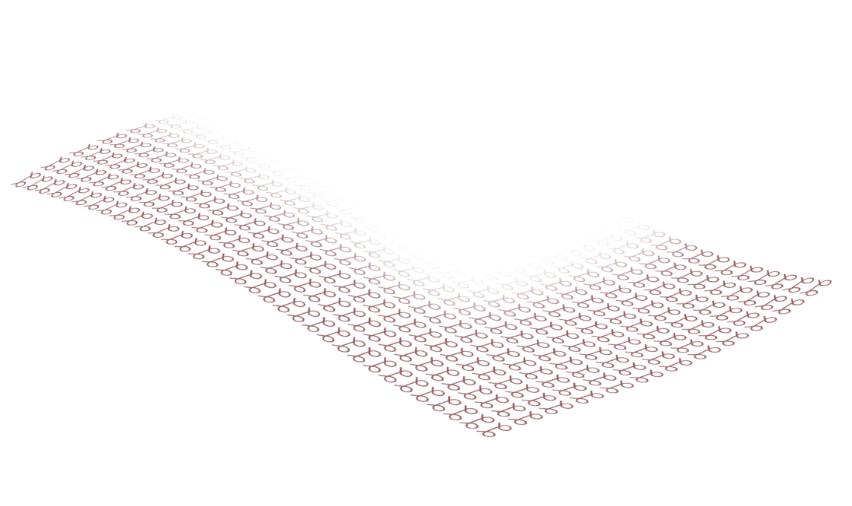
The knots are the most critical element of a Persian rug, as they form the pile, or surface, of the rug. They can be visible on the rug’s reverse side. Each knot is tied around two adjacent warp threads and then cut, creating a tuft. The density and type of knots used determine the rug’s quality and intricacy of design.
The knot count per square inch (KPSI) is an important indicator of a rug’s quality, with higher KPSI rugs being more valuable due to their intricate detail.
Borders
The borders frame the central field of the rug and typically consist of several bands, including a wide main border flanked by narrower guard borders. The designs in the borders often echo the motifs found in the field and medallion, helping to create a cohesive and balanced design.
Corner Brackets (Spandrels)
In rugs with medallions, the corners of the field are often filled with decorative motifs called spandrels or corner brackets. These are typically triangular or fan-shaped and mirror the designs found in the medallion or borders.
Field
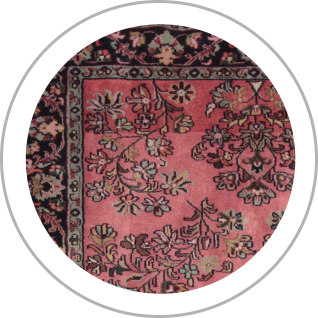
The field refers to the area surrounding the medallion and can be filled with repeating patterns, motifs, or empty space, depending on the design.
Medallion
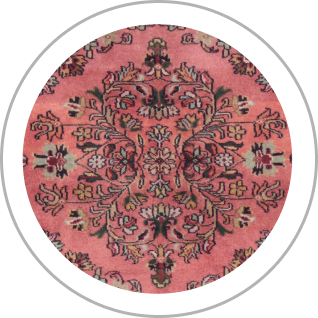
In many Persian rugs, the central design feature is the medallion, a large, often intricate, geometric or floral pattern located in the center of the rug.